EU FOOD SAFETY FORUM 2025 insights
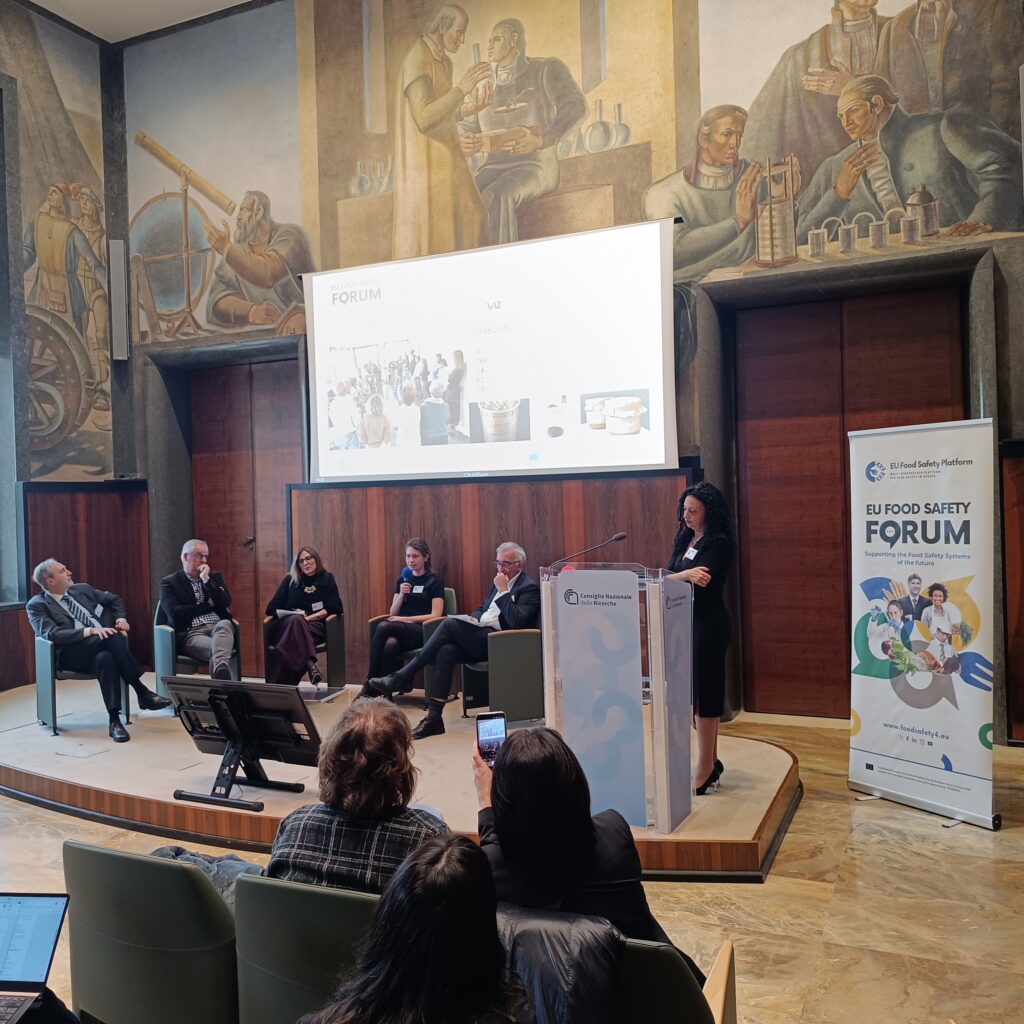
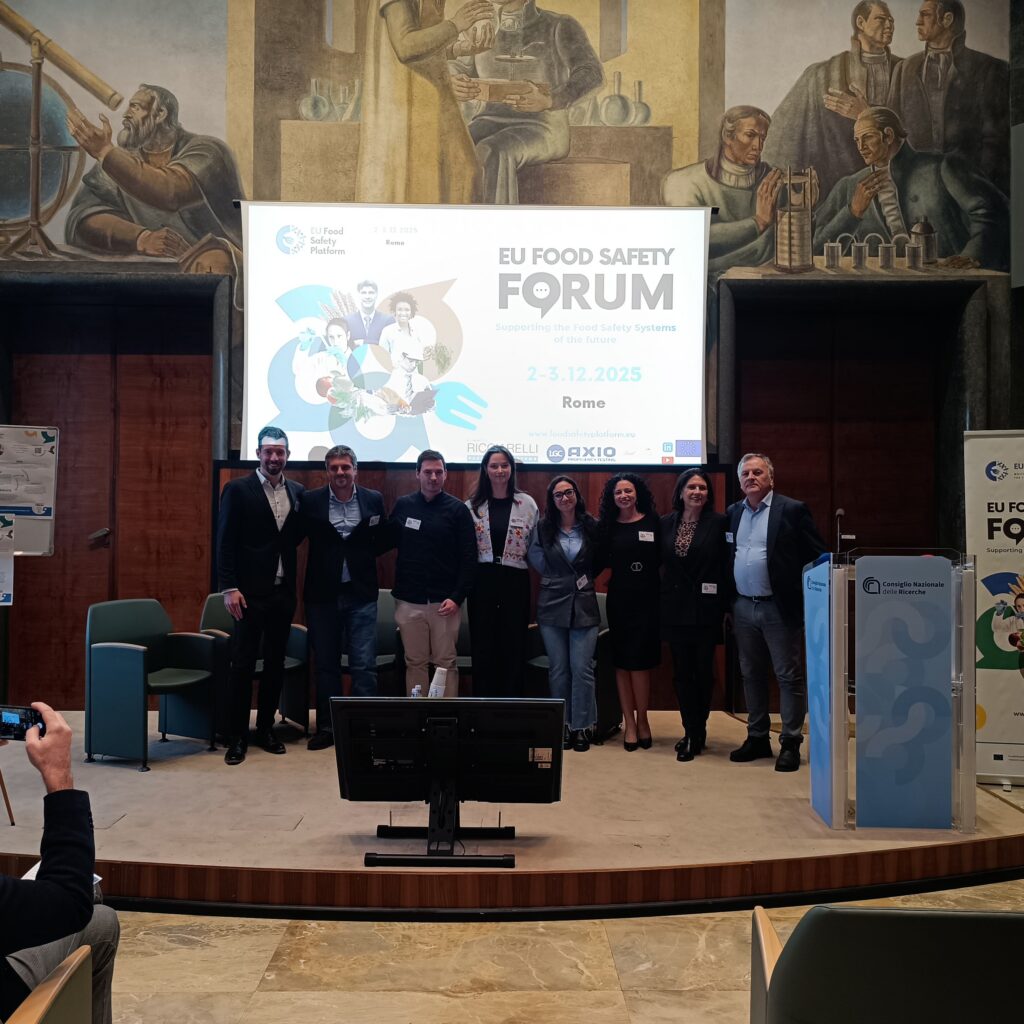
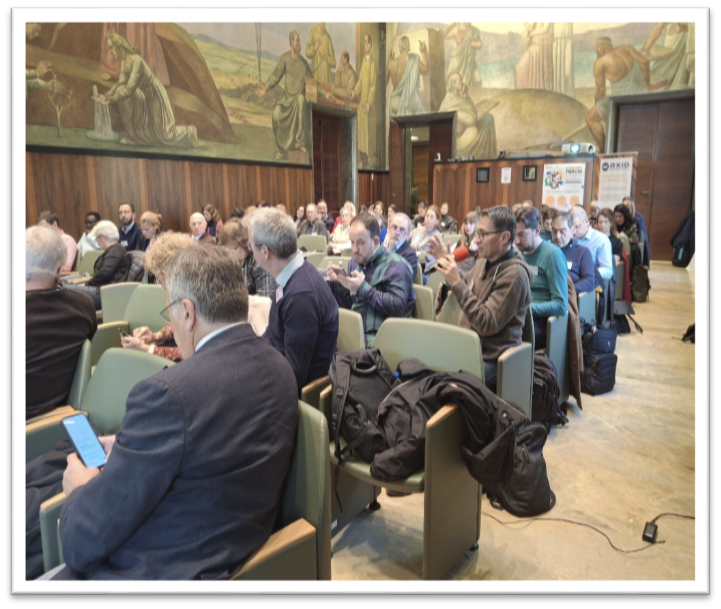
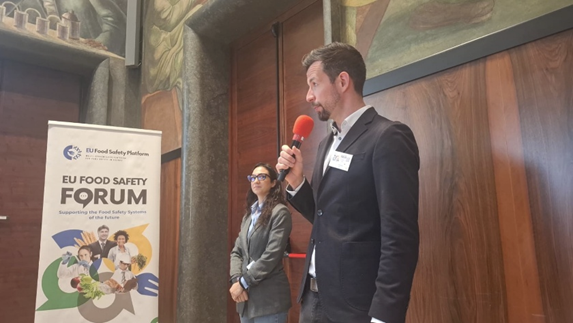
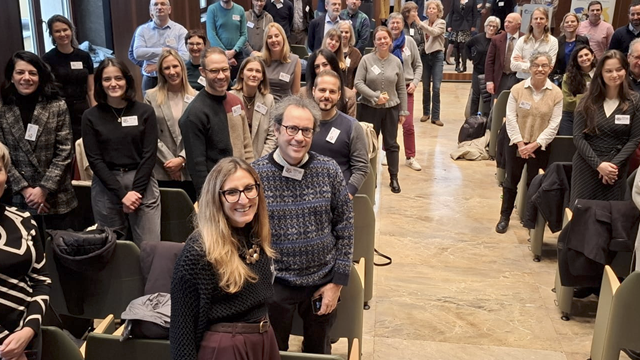
The 2025 EU Food Safety Forum – held on December 2-3, 2025, at the CNR headquarters in Rome – highlighted the Forum’s role as a collaborative space where scientists, policymakers, industry and citizens jointly address food safety, sustainability and geopolitical challenges, and set priorities for the 2026
edition.
Key messages
Participants stressed the need for a united European scientific community that also engages society at large, underlining responsible participation, leadership and long‑term policy vision as crucial to protect food safety in a context of geopolitical instability, funding cuts and big transitions. Speakers pointed to skills gaps linked to automation and called for renewed investment in training new talent in food safety research.
The discussions emphasised that innovation must move from isolated projects to true ecosystems based on co‑creation, where research, companies, authorities and consumers work together rather than in silos. Building trustful bridges with developing countries was identified also as essential to strengthen global food security and safety.
Science-Policy-Society Synergy
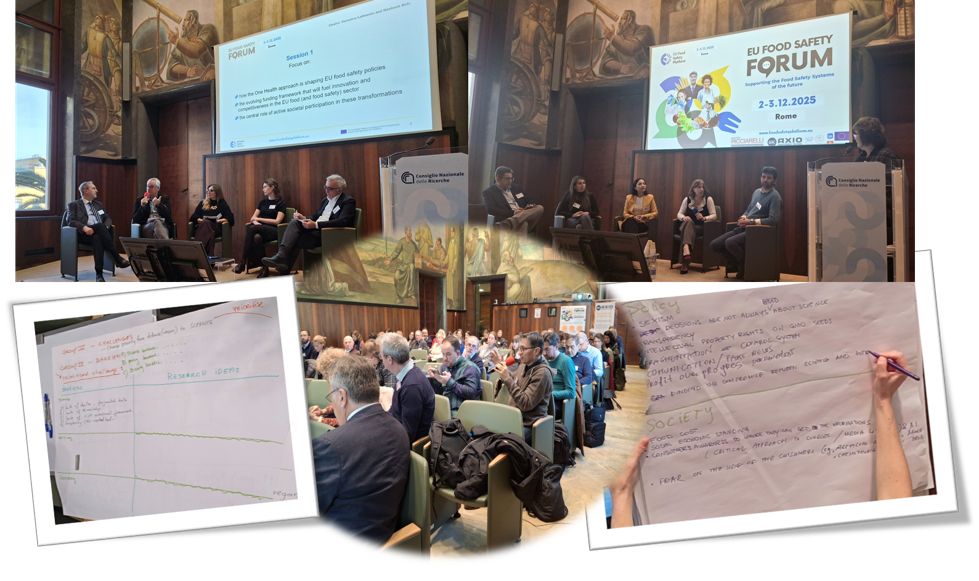
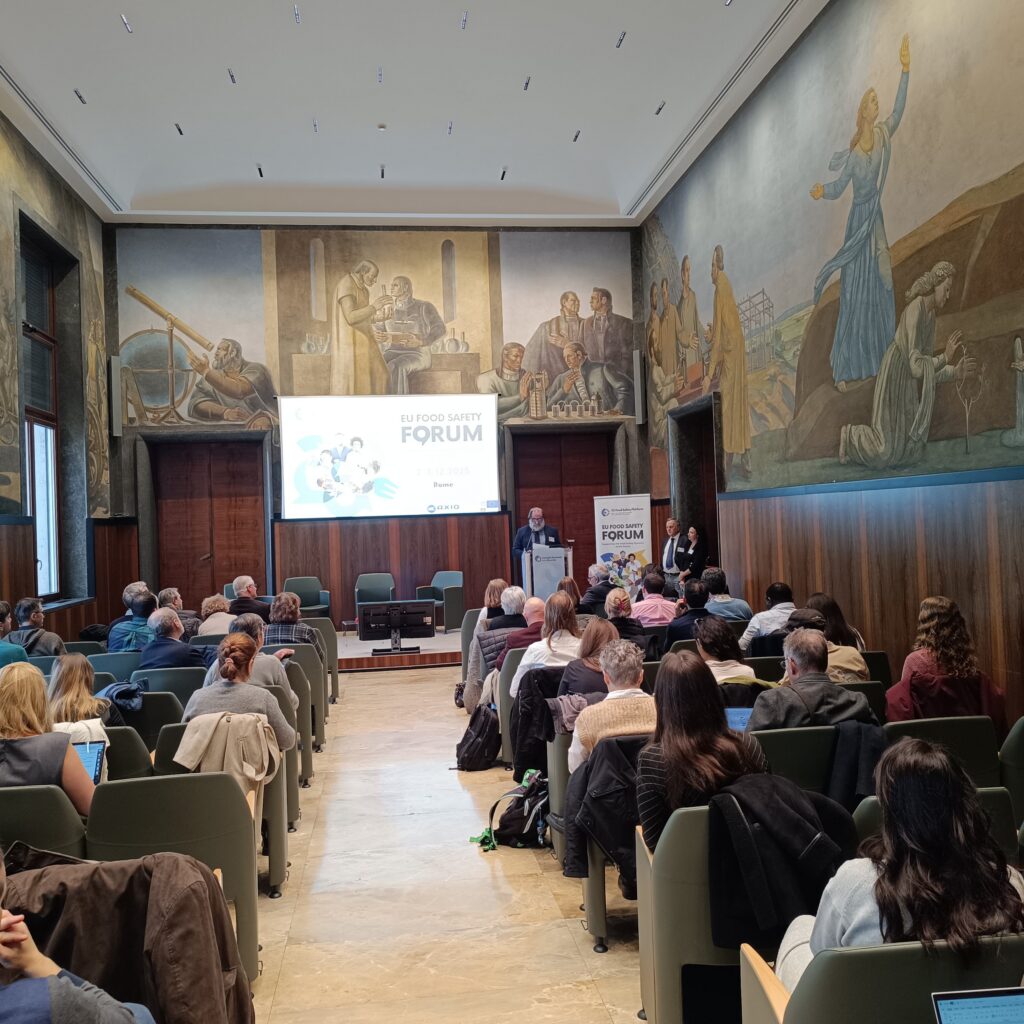
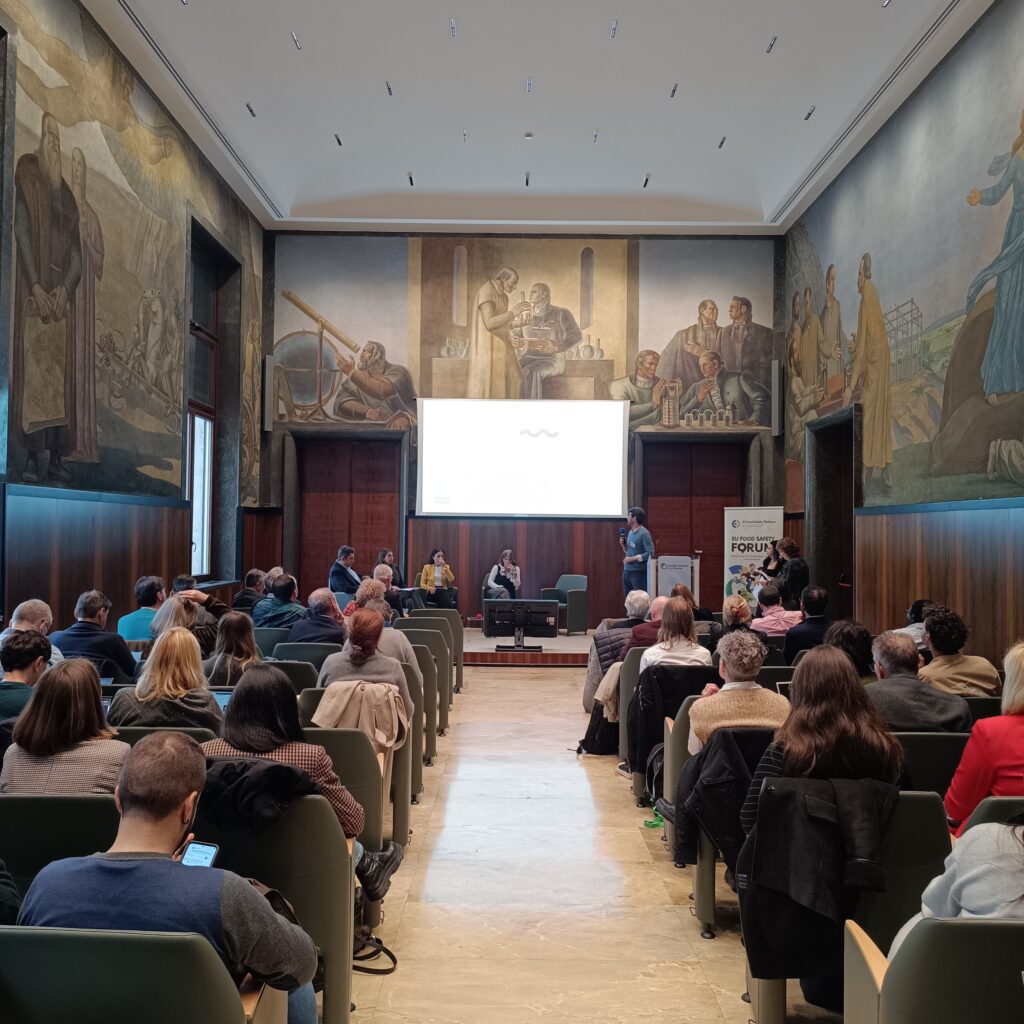
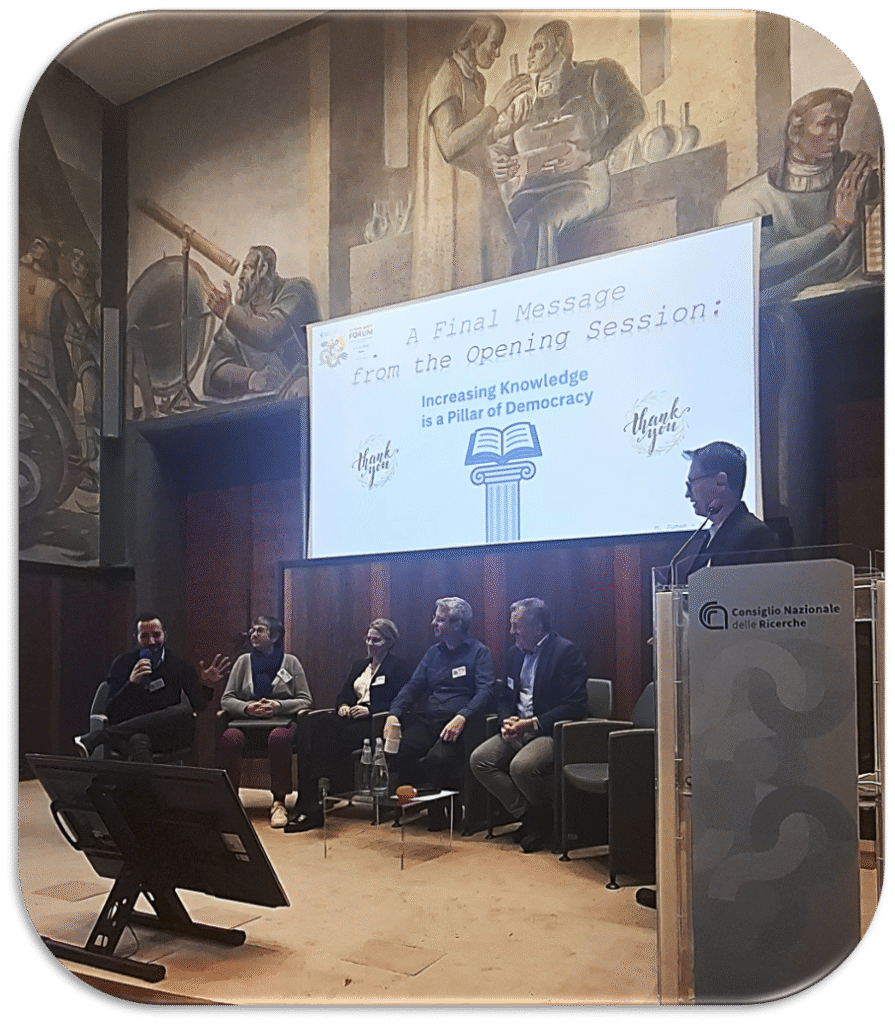
The Science-Policy-Society Synergy session, introduced by CNR representatives – Silvano Fares, Nicola Fantini, Antonio Moretti and Veronica Lattanzio – opened the Forum by underscoring the need for a close and structured interaction between scientific evidence, policymaking and societal needs in shaping the future of food safety in Europe. The session highlighted a comprehensive, multi‑stakeholder approach aimed at ensuring that food safety strategies are fully aligned with public health priorities and with the evolving expectations of consumers.
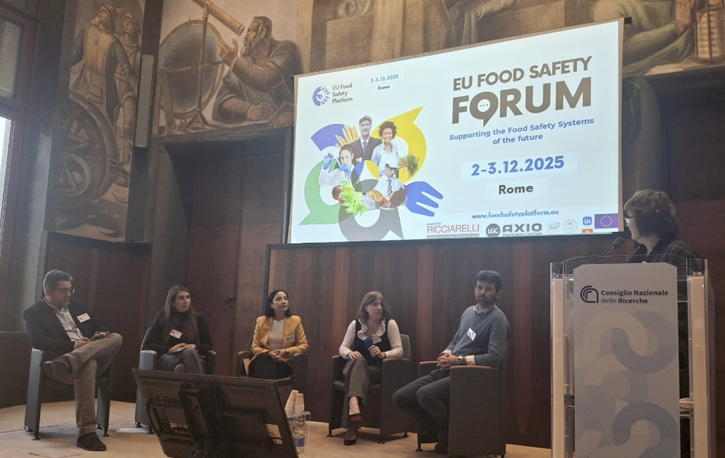
Following an expression of gratitude to the institutional representatives for their valuable contributions and their willingness to cooperate with the EU FOOD SAFETY PLATFORM, the floor was given to key contributors: Stef Bronzwaer from EFSA, Angelo Riccaboni from PRIMA Foundation, Serena Borgna from APRE, Giovanni Leonardi from the Italian Ministry of Health,and Magdalena Zatorska from the University of Warsaw. Their interventions underlined the importance of coordinated action among competent authorities, the scientific community and society at large to strengthen trust and to prepare food safety systems to address emerging challenges effectively and boost competitiveness in the bioeconomy framework.
Updating the SRIA in the Bioeconomy framework:
a multi-stakeholder vision
This session convened a broad range of actors to jointly reflect on the future direction of food safety research and innovation. Building on previous co‑creation efforts, it explored how emerging priorities in the bioeconomy can be integrated into the Strategic Research and Innovation Agenda (SRIA) for food safety.
This critical discussion showcased how science, policy, and innovation converge to define priorities for the Strategic Research and Innovation Agenda (SRIA).
Future-Oriented Co-Creation
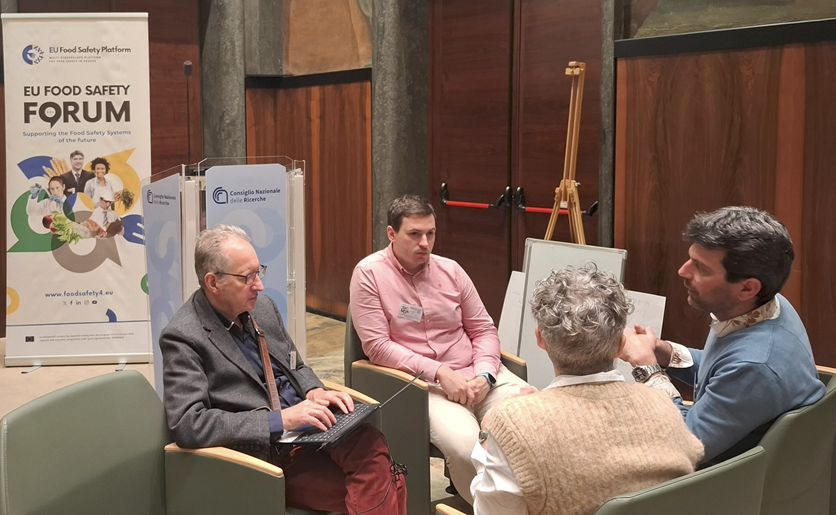
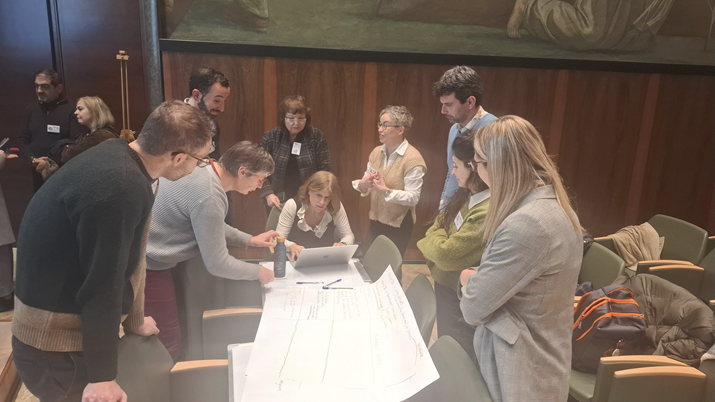
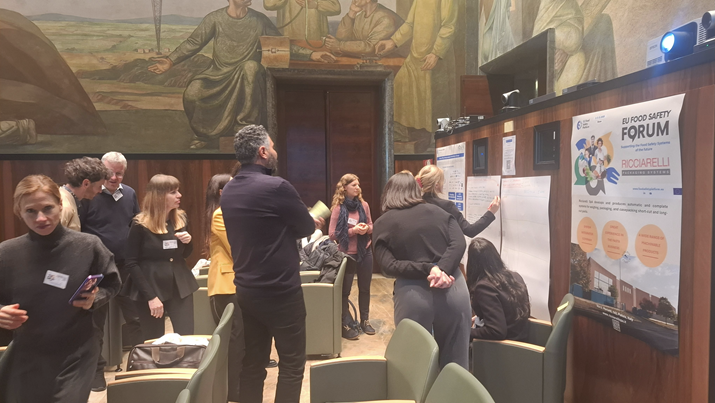
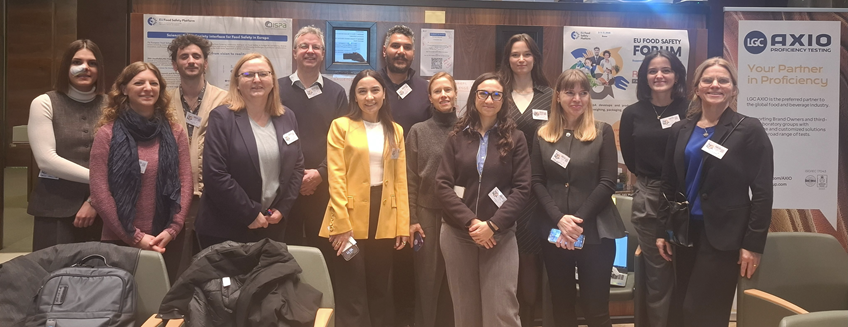
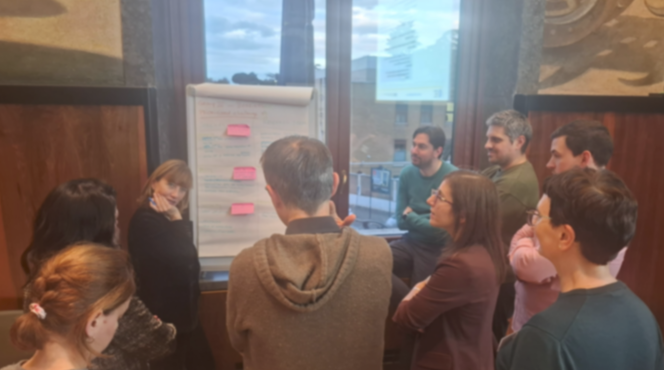
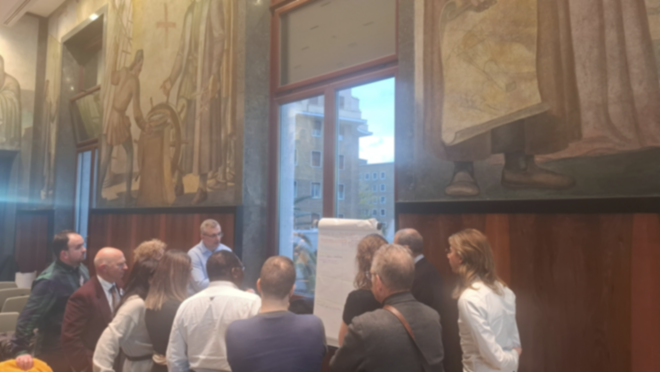
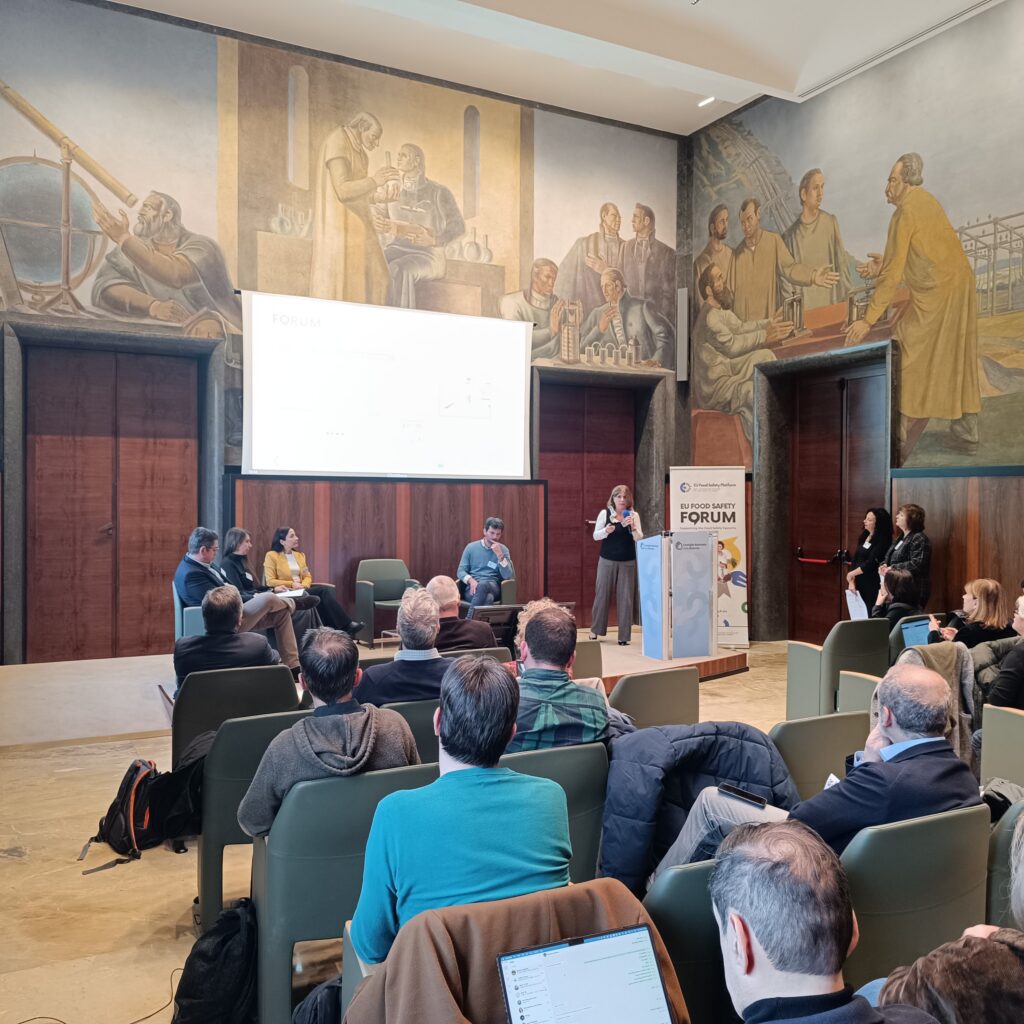
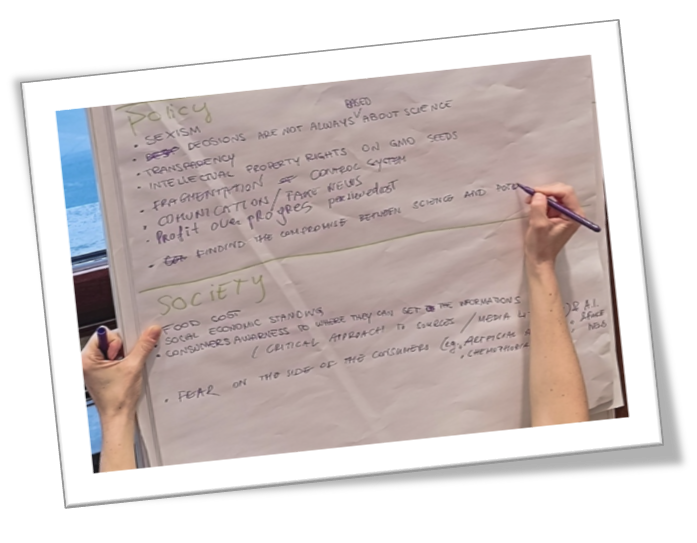
The session “Updating the SRIA in the Bioeconomy Framework: a Multi‑Stakeholder Vision” convened a broad range of actors to jointly reflect on the future direction of food safety research and innovation. Building on previous co‑creation efforts – including input from the FS4EU project, the EU FOOD SAFETY FORUM 2023 and 2024 – it explored how emerging priorities in the bioeconomy can be integrated into the Strategic Research and Innovation Agenda (SRIA) for food safety. EU Food Safety Platform experts Nastasia Belc (IBA Bucharest) and Pieternel Luning (WUR) led the session, focusing on updating the Strategic Research and Innovation Agenda (SRIA) to address emerging challenges. Participants – working in 4 sub-groups – discussed how collaborative initiatives and advanced research are already contributing to the transformation of European food systems, preparing them to respond more effectively to upcoming challenges in their transition towards a bioeconomy model and greater competitiveness.
Cooperation space
The EU FOOD SAFETY PLATFORM served as a catalyst for future cooperation, outlining a broad framework that connects research infrastructures, networks and innovation actors.
Presentations from European research and international infrastructures showcased the resources and services offered by projects such as FHERITALE and Up-rise, alongside concrete experiences from companies including ENCO s.r.l. with SEEDS – Saining Economies and Enhancing Dynamic Structures, and nextProtein SA, as well as key networks such as FoSSNet: Pan-European Food Systems Science Network, CERERE – PRIMA Agrifood cluster, and Food Safety and Risk journal – BMC, part of Springer Nature. The session also highlighted methodological tools for understanding and visualising connections within these communities, such as Net-Map analysis.
The session was conducted in an engaging format by Monika Tomaniova (UCT PRAGUE) and Mari Eskola (MEDFILES), who facilitated exchanges between infrastructure representatives, companies and scientific networks.
Youth Innovation and Empowerment
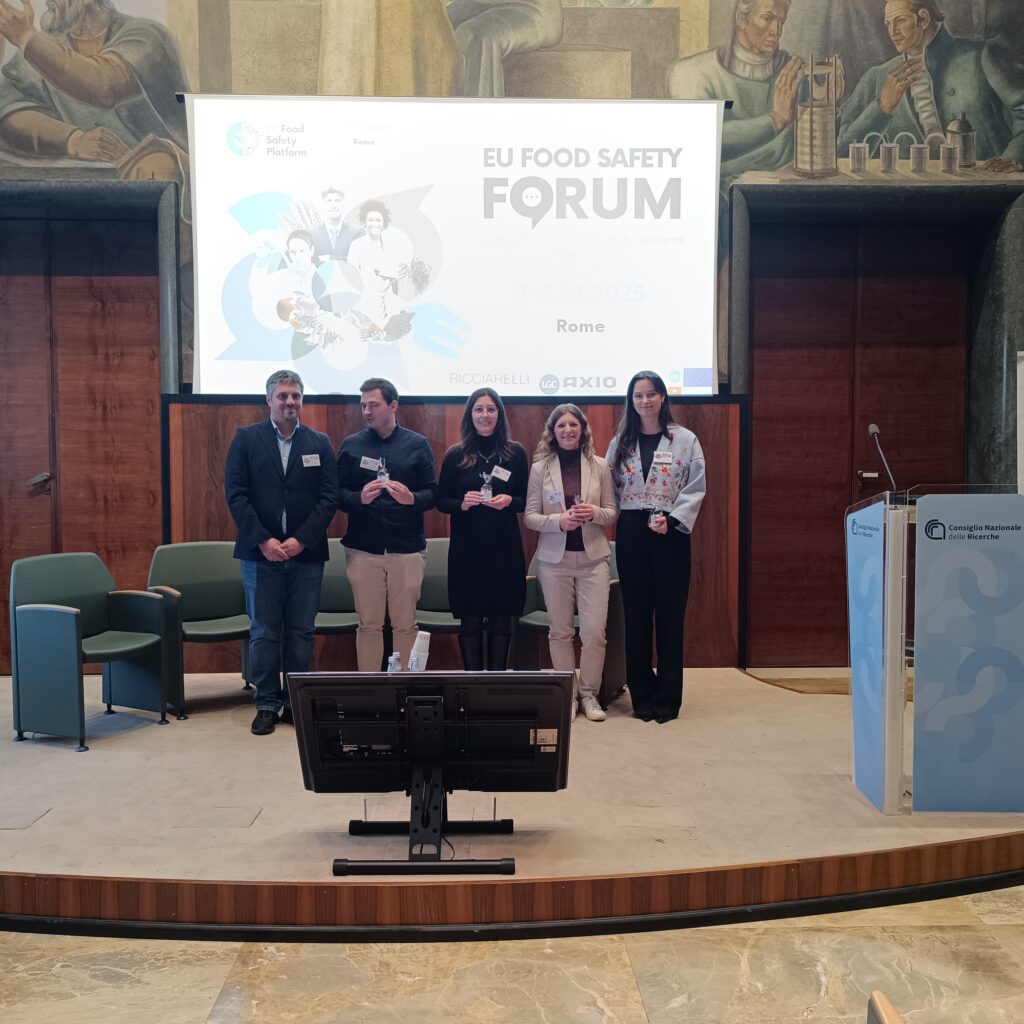
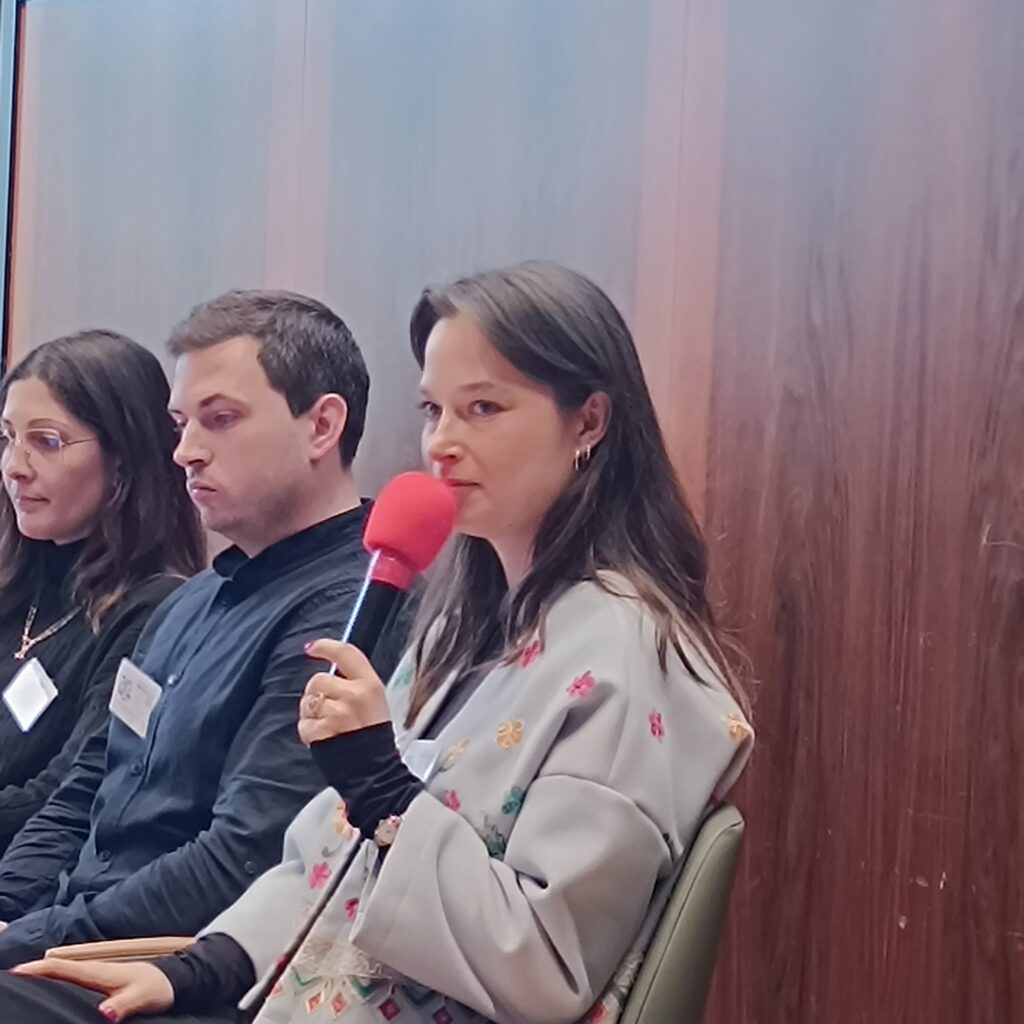
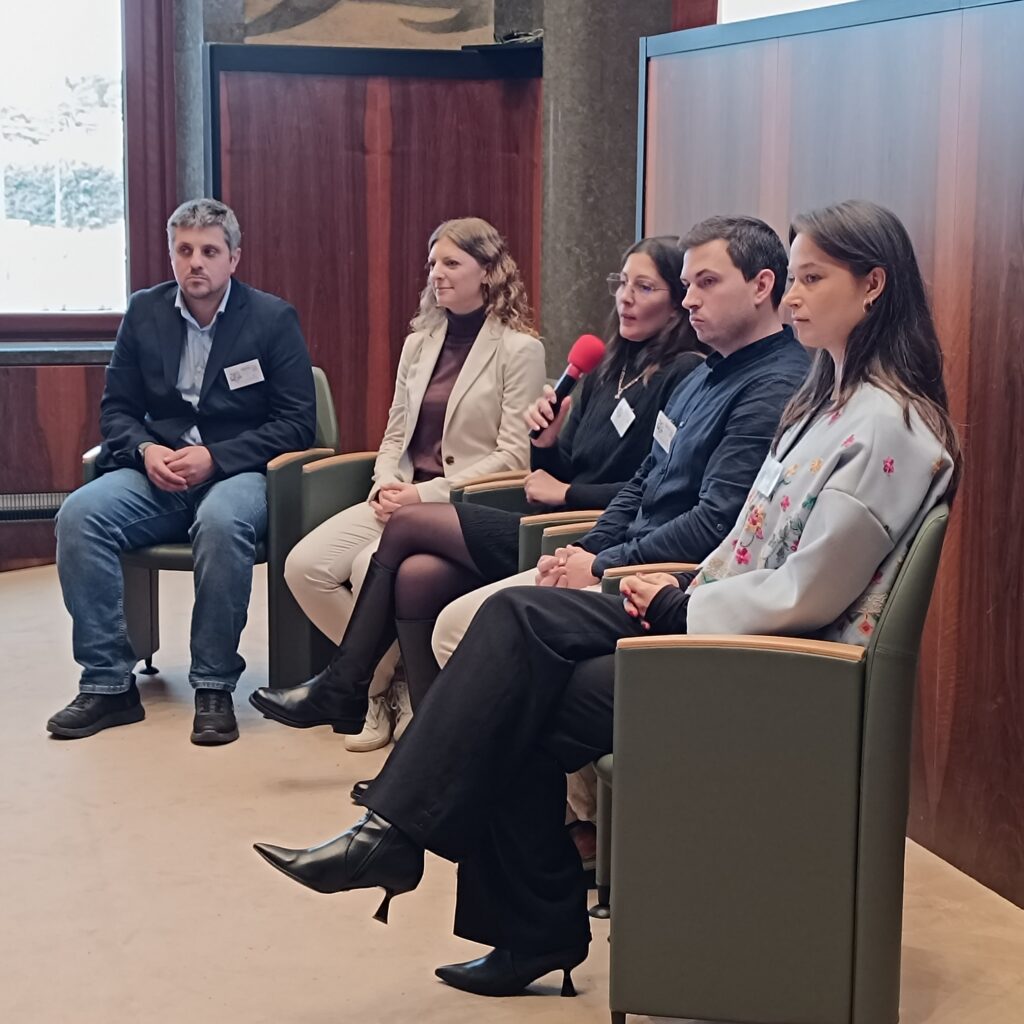
6 selected Young researchers took centre stage in the “Youths in action for the Future of Food Safety in the EU” session, presenting their poster pitches on food safety research and innovation.
This dedicated space confirmed the Forum’s commitment to empowering the next generation of food safety experts and integrating their perspectives into the broader European agenda.
🏆 Darina Balková, Università Cattolica del Sacro Cuore is the winner of the award offered by Food Safety Risk Journal.
✌✌✌ The pitches by Darina Balková, Guillaume Bayon-Vicente, University of Mons and Marco Montemurro, Consiglio Nazionale delle Ricerche – ISPA have been selected to be further promoted through the “Young Minds of Food Safety” podcast series, supported by the Platform member LVA Ltd, offering the winners increased visibility across social media and online channels.
Looking Ahead
This vibrant Forum underscored the EU Food Safety Platform’s commitment to fostering innovation and sustainability through collaborative efforts.
As participants return to their respective fields, the lessons learned and partnerships formed in Rome are expected to drive impactful changes in food safety systems across Europe.
The continued engagement of all stakeholders will be crucial in advancing the platform’s goals and ensuring a safer food future for all.
Join us and see you next year!
EU FOOD SAFETY FORUM 2025 description and announcement



Latest Events
EU FOOD SAFETY FORUM 2025 insights
FOOD SAFETY FIRST: Identifying and Reducing Contaminants
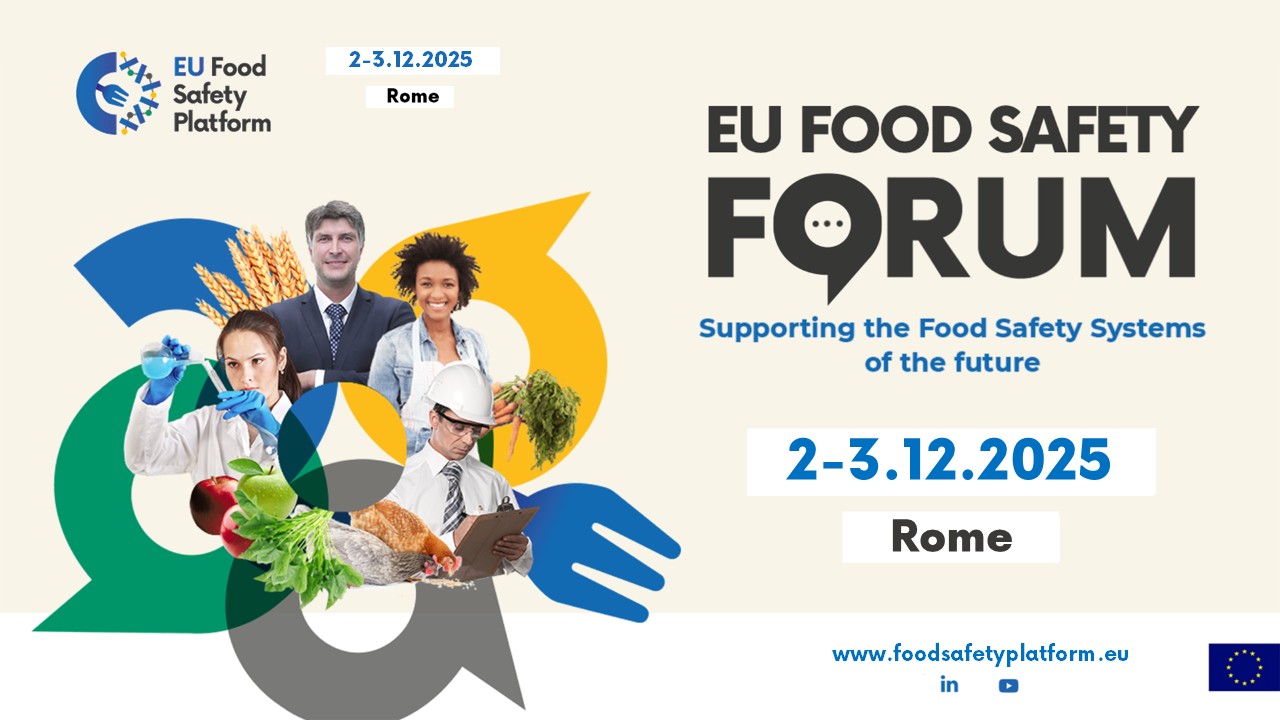
EU FOOD SAFETY FORUM 2025
International FoodTec Conference – Shaping the Future of Sustainable Food Ecosystems
FAO Science and Innovation Forum 2025: Shaping the Future of Agrifood Systems
Workshop “The transition towards a safe and sustainable food system in a changing world: a One Health challenge”