
The Horizon Europe Work Programme 2026 – released on Dec 11, 2025, by the European Commission – includes Cluster 6 |“Food, Bioeconomy, Natural Resources, Agriculture and Environment”—at its core. The cluster is pivotal in advancing sustainability, biodiversity, and climate resilience across agrifood chains and food systems.
The Work Programme Cluster 6 includes calls addressing the folloginw six Destinations:
Rapid screening methods are crucial for controlling mycotoxin contamination in food and feed. These methods, utilized by both official control laboratories and food/feed operators, serve different purposes and require distinct validation approaches. The European Union has set legal guidelines to standardize these validation procedures, especially for official controls, to ensure consistency in detecting mycotoxins and other important analytes like pharmacologically active substances. The chapter compares these guidelines, highlighting both similarities and differences.
For business operators, the need for quantitative results often drives the adoption of rapid screening techniques, particularly when used in larger monitoring programs or risk assessments. The chapter also emphasizes the role of Bayesian statistics in selecting the right methods based on expected contamination levels and specific purposes.
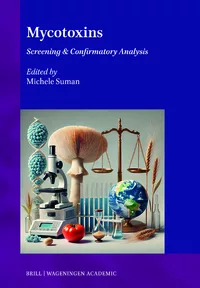
This chapter, authored by Christoph von Holst (European Commission, Joint Research Centre, Geel, Belgium) and Veronica M.T. Lattanzio (Institute of Sciences of Food Production, National Research Council of Italy, Bari, Italy), provides a comprehensive overview of the validation and application of rapid screening methods, illustrating their significance in ensuring food safety through real-world examples and statistical approaches.
The Horizon Europe Work Programme 2025 – released on May 14, 2025, by the European Commission – includes Cluster 6 |“Food, Bioeconomy, Natural Resources, Agriculture and Environment”—at its core. The cluster is pivotal in advancing sustainability, biodiversity, and climate resilience across agrifood chains and food systems.
Key initiatives include:
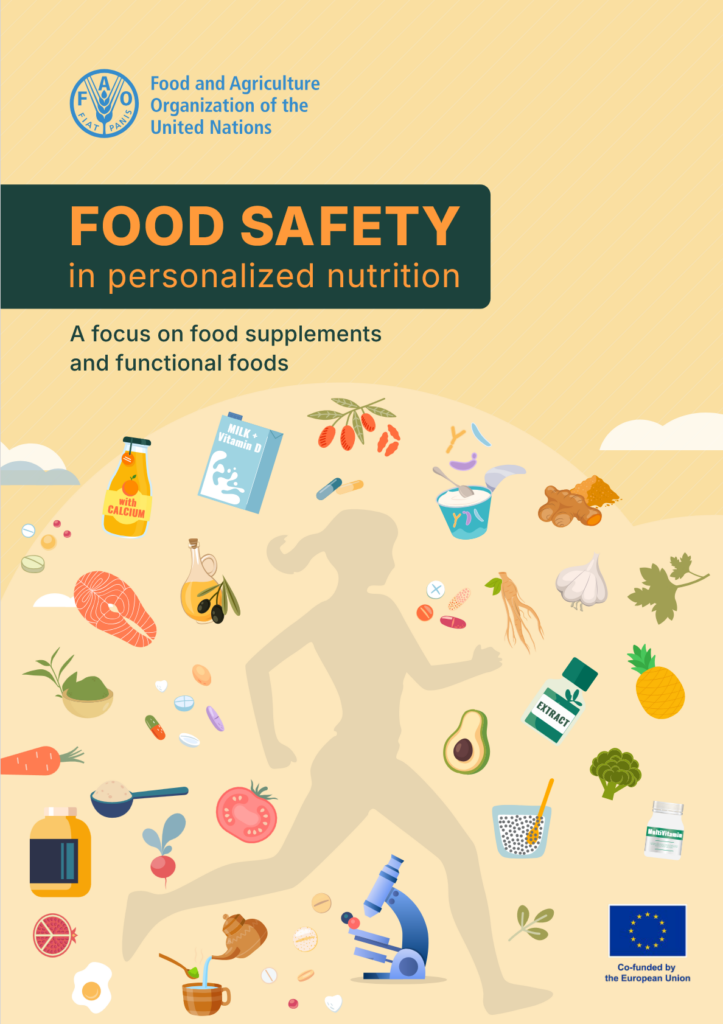
The Food and Agriculture Organisation of the United Nations (FAO) has published the report “FOOD SAFETY in personalized nutrition – A focus on food supplements and functional foods“, highlighting the evolving challenges in ensuring the safety of these products. Key aspects include ingredient safety (especially those without a history of consumption), interaction with medications, and the importance of appropriate dosage.
The report also compares global regulatory practices on classification, labelling, and oversight of supplements and functional foods. It offers strategic insights for strengthening food safety governance, particularly in low- and middle-income countries, promoting both innovation and consumer protection.
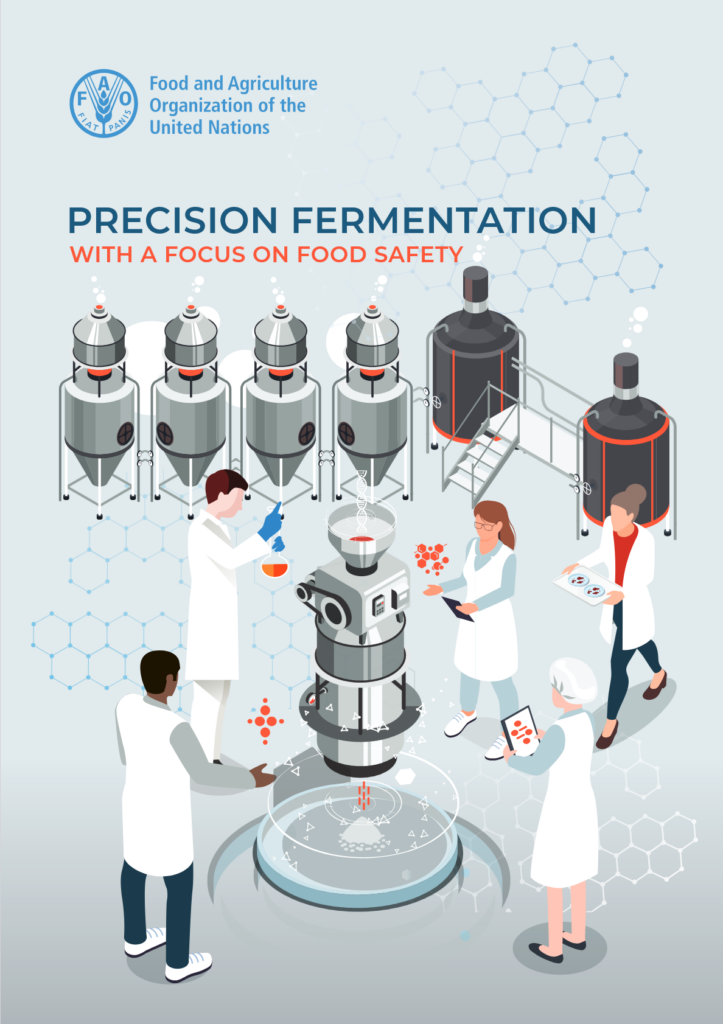
The Food and Agriculture Organisation of the United Nations (FAO) has published the report “Precision Fermentation – With a Focus on Food Safety“, which examines the emerging technology of precision fermentation and its implications for food safety.
Precision fermentation involves using specifically engineered microorganisms to produce targeted food ingredients such as proteins, lipids, and vitamins, often as sustainable alternatives to animal-derived products.
The report highlights the lack of a global definition for precision fermentation, complicating harmonised international regulations. It provides an in-depth analysis of the production process, potential food safety hazards-including allergenicity concerns-and compares regulatory frameworks across various countries. Through three detailed case studies and consultations with regulatory experts worldwide, the publication aims to guide policymakers and food safety authorities in establishing effective, adaptive regulatory approaches to ensure the safe introduction of precision-fermented foods globally.