#FoodFacts – Solveig Langsrud | SafeConsume

The overall objective of the SafeConsume project is to reduce health burden from foodborne illnesses by informing citizens and formulating recommendations for policy makers. You mentioned having lots of myths to break to mitigate the risks. What is the most common food safety myths or the most challenging ones to break in your opinion?
The area of food and health is full of myths. In Safeconsume we collected more than 100 myths just from our project partners and field work. Examples of widespread myths were that it is possible to smell or taste whether foods are safe, or that freezing kills pathogenic bacteria.
In some cases, there was a lack of evidence to decide if a common belief is a myth or a truth. Our research revealed that checking the colour of chicken meat or juices to see if it is properly cooked or checking egg freshness by a floating test were myths rather than good food safety tips.
It is particularly difficult to break myths where there is a conflict between food safety and other concerns, convenience, or preferences. For example, campaigns telling people not to throw away food that looks and smells good may contribute to maintaining the myth that you can use your senses to decide if food is safe to eat. Also, the belief that stomach bugs build your immune system may be maintained by the fact that it is easier not to wash your hands or kitchen utensils properly.



Latest Articles
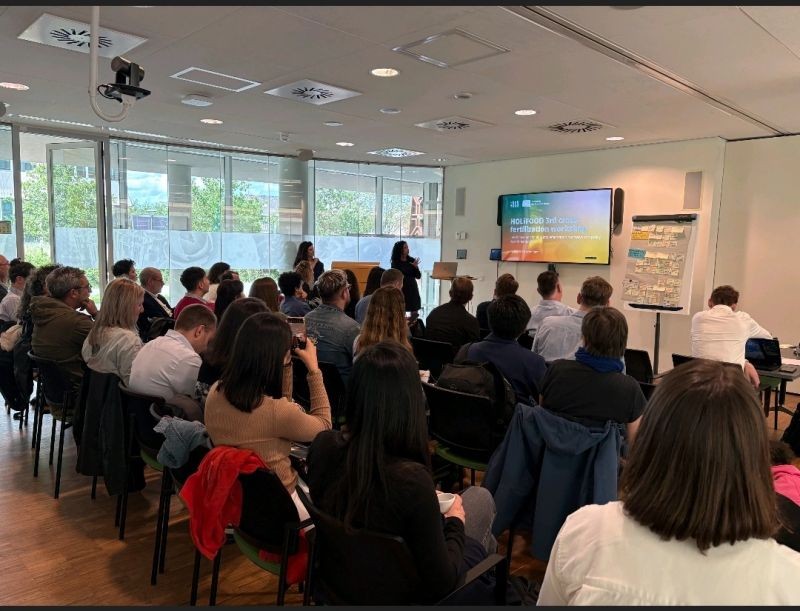
HOLiFOOD 3rd Cross-Fertilization Workshop: from project results to uptake pathways
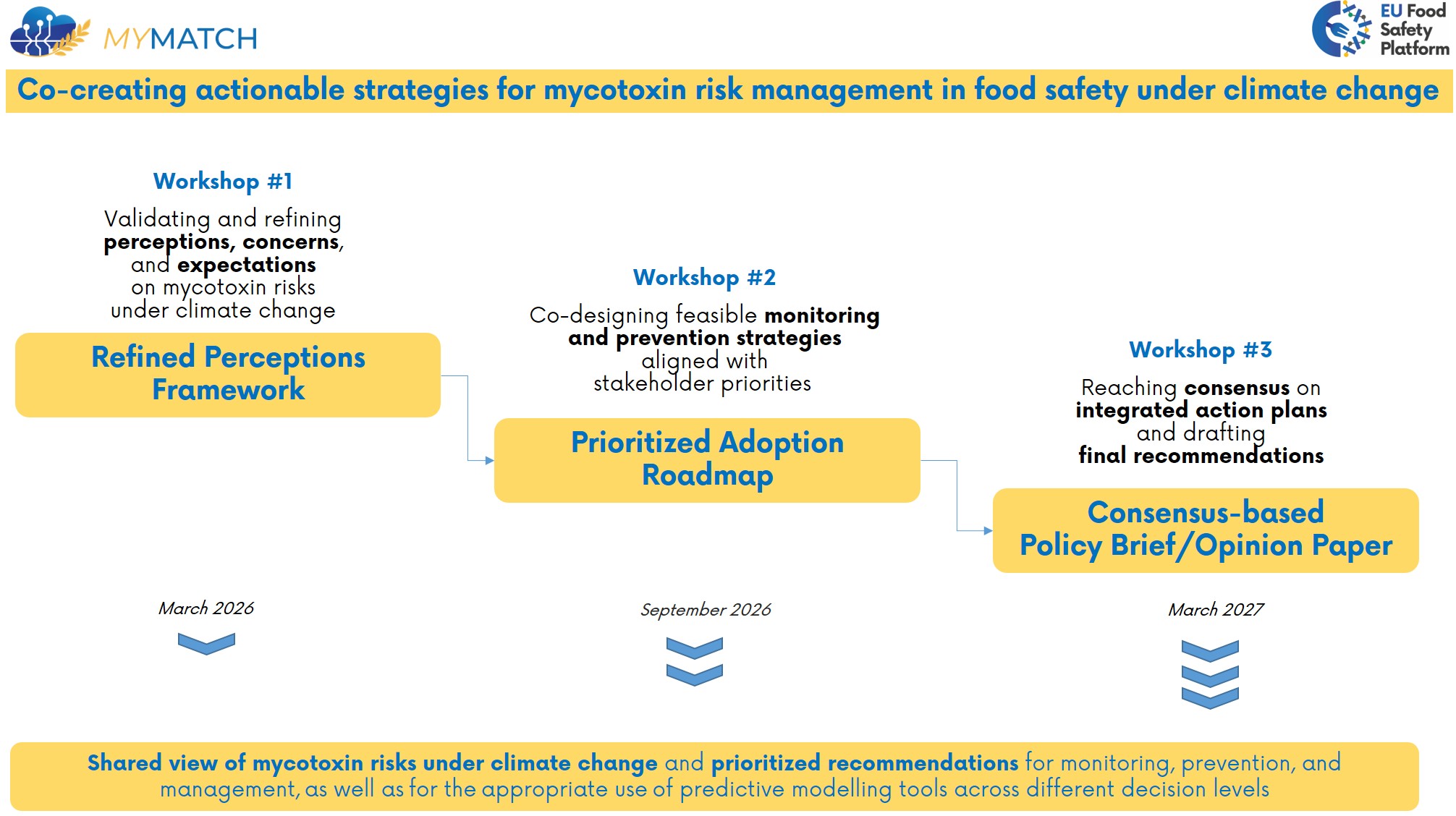
MYMATCH Co‑creation cycle – Workshop 1

HOLIFOOD: Towards AI-driven emerging Risk Assessment: a multi-stakeholder perspective

HOLIFOOD: insights from 1st cross-fertilization workshop
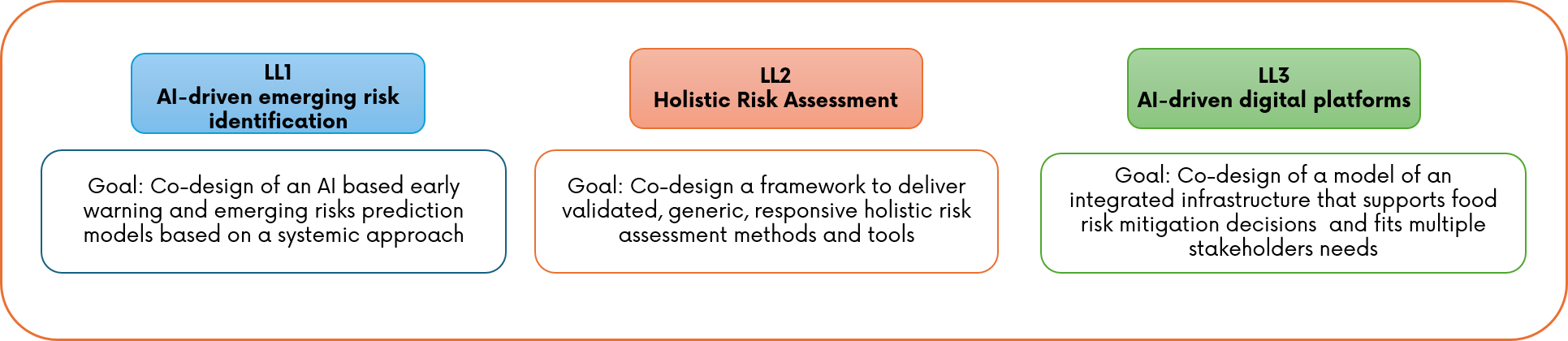
HOLIFOOD: Insights from the 2nd Cross-Fertilization Workshop
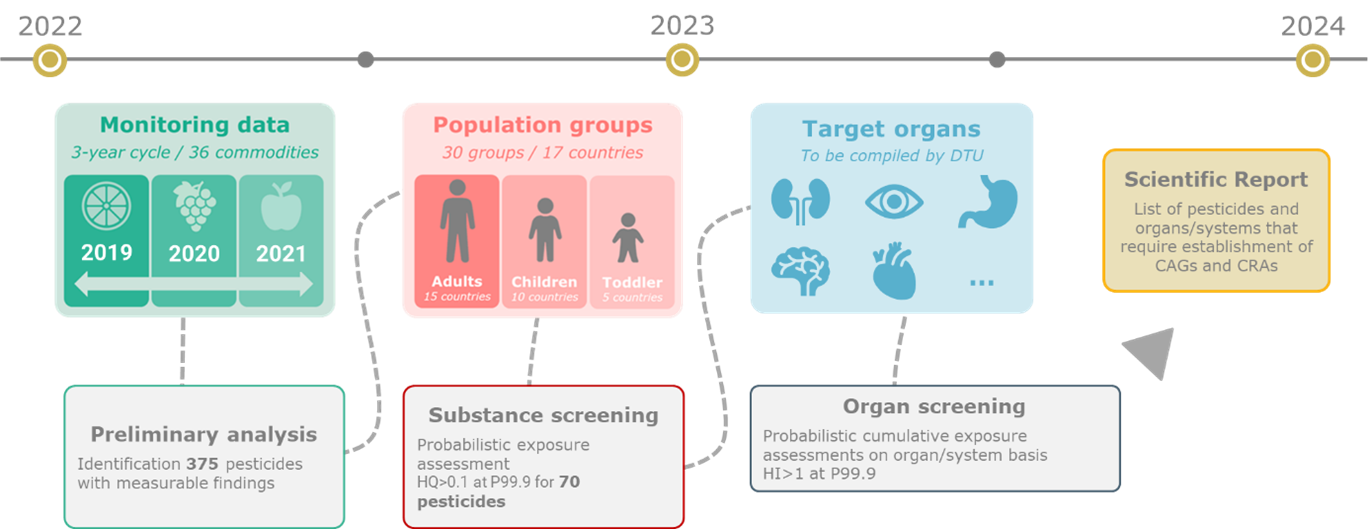
Protecting public health: understanding the importance of cumulative risk assessment of pesticides