
Food safety implications of recycled plastics and alternative food contact materials
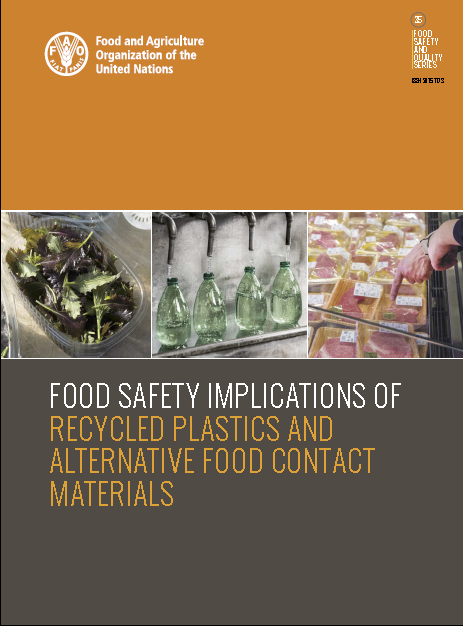
The Food and Agriculture Organization of the United Nations (FAO) has released a new report, “Food safety implications of recycled plastics and alternative food contact materials,” which examines how the transition to more sustainable packaging can impact food safety. The publication highlights that recycled plastics and emerging alternatives such as bioplastics, plant fibre- and protein‑based materials play a growing role in food packaging, but may introduce specific chemical and allergenic risks that must be carefully managed.
Studies have shown that recycled plastics can release higher levels of substances such as metals, brominated flame retardants, persistent organic pollutants and phthalates compared with virgin plastics, particularly when waste streams are poorly controlled or mixed with non‑food‑grade plastics. It stresses the importance of approved recycling processes, rigorous cleaning, and the use of tools such as the threshold of toxicological concern (TTC) approach to assess the safety of intentionally added and non‑intentionally added substances migrating into food.
The research and drafting of this publication were carried out by Mark Feeley, under the overall guidance of Vittorio Fattori from the Agrifood Systems and Food Safety Division (ESF) at FAO. The contribution of Magdalena Niegowska Conforti (ESF) to drafting and consolidating the publication has been gratefully acknowledged. The authors are thankful to Markus Lipp (ESF) for his guidance and support throughout the development of the publication.



Latest Reports, scientific publications

Tools and methods to support the design and implementation of policies for agrifood systems transformation
Overview Report on the outcome of a survey in Member States in 2025 on Food Safety Culture official controls
New EU labelling requirements
A FoodSafeR perspective on emerging food safety hazards and associated risk
The 2024 European Union report on pesticide residues in food – EFSA
Food safety implications of recycled plastics and alternative food contact materials
Most Interesting Reports, scientific publications

Industry 4.0 technologies in quality and safety control systems in food manufacturing: A systematic techno-managerial analysis on benefits and barriers
Unmasking Mycotoxins in Spices – a white paper by LCG AXIO
Food Supplements – a white paper by LCG AXIO